

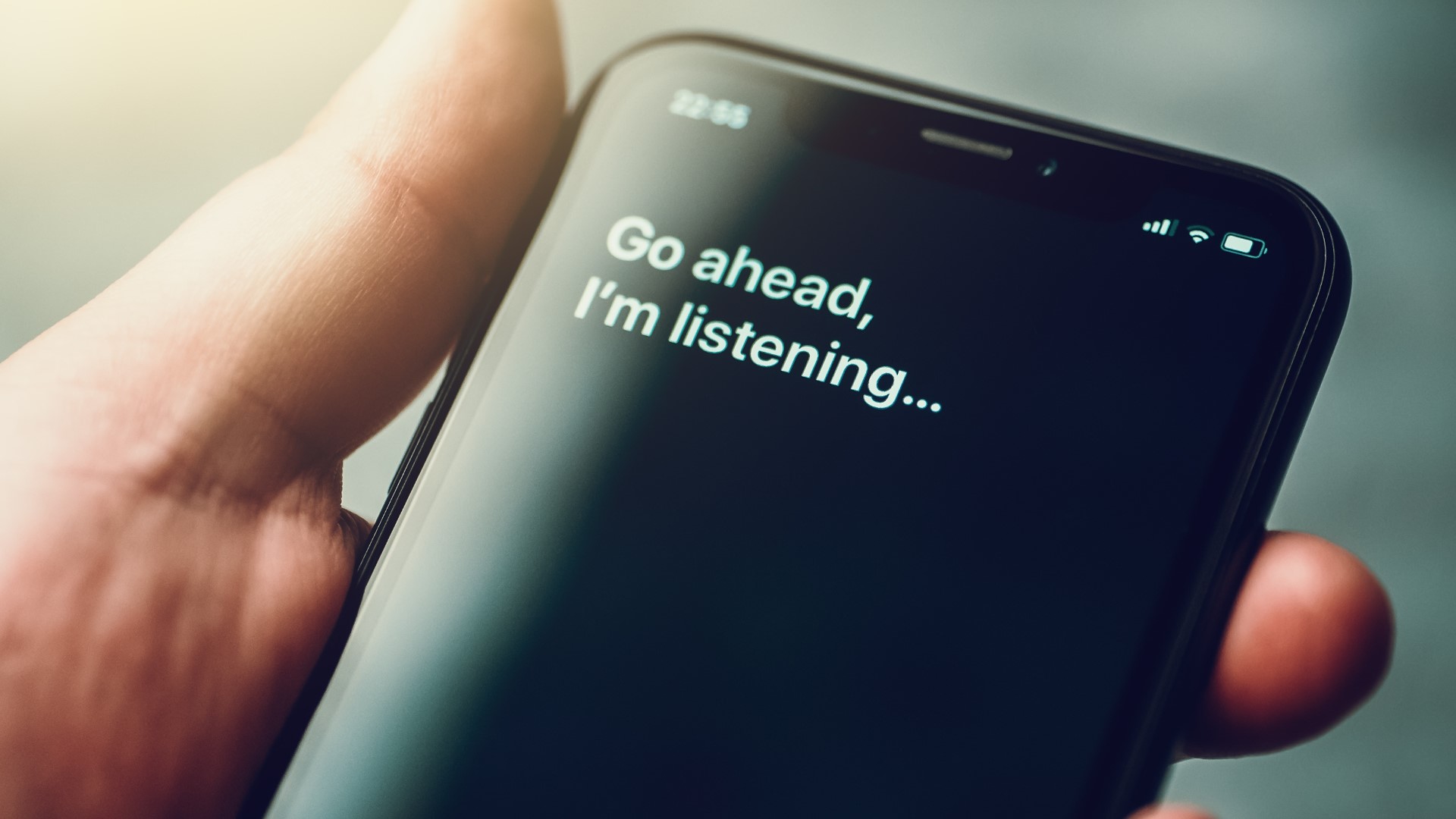
Your Phone is Listening. Is it Spying?
Introduction
We’ve all been there. You’re chatting with a friend about that amazing new vacuum cleaner you saw online, and the very next time you open your social media, BAM! An ad for the exact same vacuum cleaner is staring you in the face. Creepy, right? It’s enough to make anyone wonder: Is my phone really listening to me?
The short answer? It’s complicated. The long answer? Well, that’s what we’re here to unpack.
The Ear in Your Pocket: Reality vs. Paranoia
Let’s be clear: your phone isn’t *constantly* recording every single thing you say and sending it off to some shadowy marketing agency. That would be a privacy nightmare of epic proportions, not to mention a technological burden most devices couldn’t handle. However, the truth is, your phone *is* listening, at least some of the time.
Think about it. Voice assistants like Siri, Google Assistant, and Alexa are designed to be triggered by voice commands. They need to be actively listening for their “wake words” (“Hey Siri,” “Okay Google,” “Alexa”). And many apps, from social media platforms to shopping apps, request microphone access for features like voice search, voice messaging, or even just to add an audio clip to a post.
The question then becomes: What are these apps doing with the audio they capture, even if it’s brief snippets around wake words or during active use? Are they simply processing it for the intended function, or are they subtly gathering data to build a profile of your interests, habits, and desires?
Short-Term Frustrations: Ads That Follow You
The most immediate impact of this “listening” is often the onslaught of targeted advertising. You’re discussing a potential trip to Rome, and suddenly your feed is flooded with flight deals and hotel recommendations. This can be frustrating, even annoying. It feels like an invasion of privacy, a constant reminder that you’re being watched, analyzed, and marketed to.
Beyond the annoyance, this relentless targeting can also be manipulative. Ads are designed to influence your purchasing decisions, often playing on your emotions or insecurities. Constant exposure to targeted ads can lead to impulse buys, a feeling of being constantly pressured to consume, and a general sense of unease.
Long-Term Implications: Data Profiles and Algorithmic Bias
While targeted advertising is the most obvious consequence, the longer-term impacts are potentially more concerning. The data collected through your phone’s microphone, combined with other information like your browsing history, location data, and social media activity, is used to build a comprehensive profile of you. This profile is incredibly valuable to advertisers, data brokers, and even potentially to employers or insurance companies.
This data can be used for more than just selling you vacuum cleaners. It can be used to:
- Price Discrimination: You might be shown a higher price for a product or service based on your perceived wealth or willingness to pay.
- Algorithmic Bias: If the algorithms used to analyze your data are biased, they can perpetuate stereotypes and lead to discriminatory outcomes in areas like loan applications, job searches, or even housing opportunities. Imagine being denied a loan simply because the algorithm associates certain keywords in your conversations with risky behavior.
- Erosion of Privacy: The constant collection and analysis of your personal data can create a chilling effect, discouraging you from expressing yourself freely or exploring controversial topics online.
Fighting Back: Taking Control of Your Digital Life
The good news is, you’re not powerless in the face of this technological intrusion. There are practical steps you can take to protect your privacy and limit the amount of data your phone collects.
Here are some solutions, offering different approaches and levels of intensity:
1. The App Permission Audit:
What it is: Regularly review the permissions you’ve granted to each app on your phone. Pay close attention to microphone access.
How to do it:
- iOS: Go to Settings > Privacy > Microphone. Here, you’ll see a list of apps that have requested microphone access. Revoke access for any app that doesn’t absolutely need it to function.
- Android: Go to Settings > Apps > [Select an App] > Permissions > Microphone. Choose “Deny” or “Ask every time.”
Example: Do you really need your solitaire game to have access to your microphone? Probably not. Revoke that permission!
Why it works: This is the simplest and most direct way to control which apps have access to your microphone.
2. The “Tap to Talk” Approach:
What it is: Deny microphone access by default to all apps, and only grant it temporarily when you need it for a specific function.
How to do it: Use your phone’s settings to deny microphone access to most apps, and then grant it on a case-by-case basis when prompted.
Example: If you want to send a voice message on WhatsApp, the app will ask for permission to use the microphone. Grant it temporarily, and then revoke it when you’re done.
Why it works: This gives you complete control over when your phone is listening, and prevents apps from collecting data in the background.
3. The Privacy-Focused Browser:
What it is: Switch to a web browser that prioritizes privacy and blocks trackers.
How to do it: Download and use a privacy-focused browser like DuckDuckGo, Brave, or Firefox Focus. Configure your browser to block third-party cookies and trackers.
Example: Using DuckDuckGo as your primary search engine instead of Google can significantly reduce the amount of data collected about your browsing habits.
Why it works: These browsers are designed to minimize tracking and protect your privacy online.
4. The Virtual Private Network (VPN):
What it is: A VPN encrypts your internet traffic and masks your IP address, making it harder for websites and apps to track your location and browsing activity.
How to do it: Subscribe to a reputable VPN service and install their app on your phone. Connect to the VPN server before browsing the internet.
Example: Using a VPN when you’re on public Wi-Fi can protect your data from being intercepted by hackers.
Why it works: A VPN adds a layer of security and privacy to your internet connection, making it harder for third parties to track your online activity.
5. The “Airplane Mode” Retreat:
What it is: When you’re having a sensitive conversation or simply want to disconnect, put your phone in airplane mode.
How to do it: Swipe down from the top of your screen and tap the airplane mode icon.
Example: If you’re discussing a confidential business matter, putting your phone in airplane mode can give you peace of mind that it’s not listening.
Why it works: This completely disables your phone’s cellular and Wi-Fi connections, preventing it from transmitting any data.
6. The Informed Consumer:
What it is: Research the privacy policies of the apps you use and be aware of what data they collect and how they use it.
How to do it: Read the privacy policies on app store pages or on the app developer’s website. Look for apps that are transparent about their data collection practices and that offer you control over your data.
Example: Before downloading a new app, take a few minutes to read its privacy policy and see what permissions it requests.
Why it works: By being informed, you can make more conscious decisions about which apps to use and how to protect your privacy.
The Path Forward: Informed Action and Optimism
It’s understandable to feel overwhelmed or even cynical about the potential for privacy breaches in our digital age. However, remember that knowledge is power. By understanding how your phone might be listening and taking proactive steps to protect your data, you can regain control of your digital life.
Start small. Choose one or two of the solutions above that resonate with you and implement them today. Maybe you’ll start by auditing your app permissions, or perhaps you’ll try a privacy-focused browser. Every step you take, no matter how small, is a step towards greater privacy and control.
The future of privacy depends on our collective awareness and action. By demanding greater transparency from tech companies and advocating for stronger privacy regulations, we can create a digital world that respects our privacy and protects our fundamental rights. Don’t be discouraged. Be informed, be proactive, and be optimistic. The power to protect your privacy is in your hands.
