

Apps: The Digital Addiction You Can’t Afford to Ignore
Introduction
Ever feel like your phone is practically glued to your hand? Like a phantom limb that tingles with anxiety when it’s out of reach? You’re not alone. In today’s hyper-connected world, apps have become an integral part of our lives. They entertain us, connect us, and help us manage our schedules. But beneath the surface of convenience and utility lies a potential problem: app addiction. It’s a subtle, often insidious creep that can silently erode our well-being and productivity. This isn’t some far-off, dystopian sci-fi scenario – it’s happening right now, and it’s impacting individuals, families, and even our society as a whole. Ignoring it is a luxury we simply can’t afford.
So, what makes these little squares on our screens so captivating? They’re designed to be. From the dopamine rush of a new notification to the endless scroll of social media feeds, app developers employ sophisticated psychological techniques to keep us hooked. It’s a constant tug-of-war for our attention, and more often than not, the apps win.
The Short-Term Buzz, Long-Term Blues
The immediate gratification apps provide is undeniable. Need a quick distraction from a boring meeting? Scroll through Instagram. Feeling lonely? Engage in a group chat. But what about the long-term consequences? The short-term “buzz” can mask some pretty serious drawbacks.
- Reduced Productivity:Think about how many times you check your phone while trying to work. Each interruption, no matter how brief, disrupts your focus and makes it harder to get back on track. Studies show that it can take an average of 23 minutes to regain concentration after a distraction. Multiply that by the number of times you mindlessly check your apps in a day, and you’re losing significant chunks of productive time.
- Example:Sarah, a marketing manager, found herself constantly distracted by work email notifications and social media apps. Her deadlines started slipping, and her stress levels soared. She realized she was spending more time managing notifications than actually doing her job.
- Sleep Disruption:Late-night scrolling can wreak havoc on your sleep cycle. The blue light emitted from screens suppresses melatonin production, making it harder to fall asleep and stay asleep. Poor sleep, in turn, leads to daytime fatigue, impaired cognitive function, and increased irritability.
- Example:David, a college student, used to unwind before bed by scrolling through TikTok. He initially found it relaxing, but soon noticed that he struggled to fall asleep and felt tired during his morning classes.
- Diminished Real-Life Interactions:How often do you see people glued to their phones, even when they’re surrounded by others? App addiction can lead to decreased face-to-face communication, weakening relationships and hindering the development of essential social skills.
- Example:The Johnson family used to have lively dinner conversations. Over time, everyone started bringing their phones to the table, silently immersed in their own digital worlds. Family dinners became quiet, disconnected affairs.
- Mental Health Concerns:Excessive app use has been linked to increased anxiety, depression, and feelings of isolation. The constant comparison to curated online personas can fuel insecurity and body image issues. Cyberbullying and online harassment are also significant risks.
- Example:Emily, a teenager, felt increasingly anxious and insecure after spending hours comparing herself to influencers on Instagram. She started experiencing feelings of inadequacy and isolation.
Breaking Free: Practical Solutions for a Balanced Digital Life
Recognizing the problem is login mahjong288 the first step. The good news is, you don’t have to completely abandon your apps to regain control. The key is to develop healthy digital habits and use technology mindfully. Here are several practical solutions you can implement today:
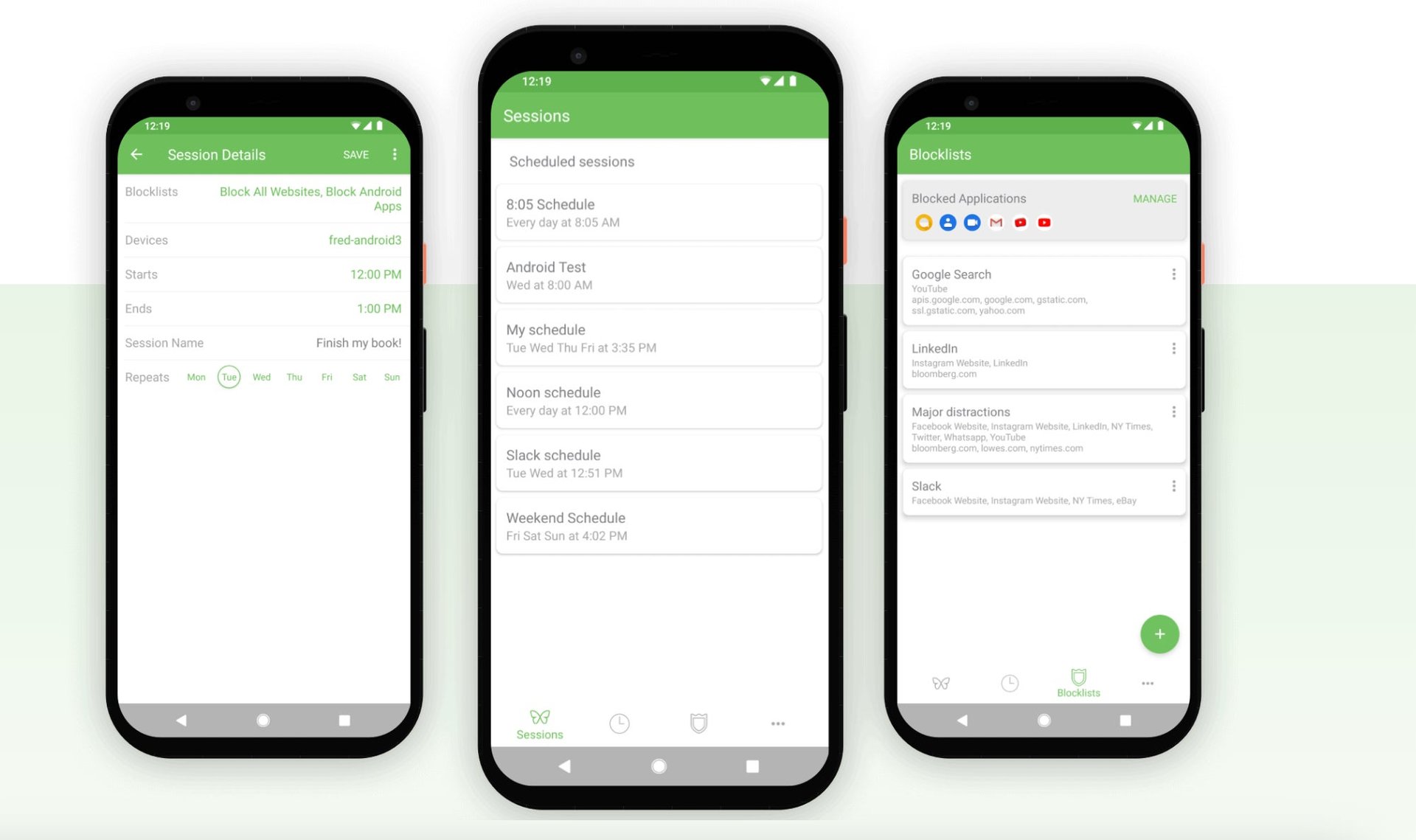
- Track Your Usage:Knowledge is power. Many smartphones have built-in features that track your app usage. Third-party apps like Freedom and RescueTime can provide even more detailed insights into how you spend your time online. Understanding which apps are consuming the most of your attention is crucial for identifying problem areas.
- Actionable Step:Check your phone’s “Screen Time” or “Digital Wellbeing” settings. Review your weekly usage report and identify the apps you spend the most time on.
- Set Time Limits:Once you know where your time is going, set daily or weekly time limits for specific apps. Both iOS and Android offer features that allow you to restrict app usage. When you reach your limit, the app will be blocked, encouraging you to engage in other activities.
- Actionable Step:Set a 30-minute daily limit for social media apps and stick to it.
- Turn Off Notifications:The constant barrage of notifications is a major driver of app addiction. Disable non-essential notifications to reduce the urge to check your phone. Consider batching notifications – checking them only at specific times of the day.
- Actionable Step:Go through your app settings and disable all push notifications that aren’t absolutely essential.
- Create App-Free Zones and Times:Designate specific times and places as app-free zones. This could be during meals, before bed, or while spending time with family and friends. Leave your phone in another room or turn it off completely.
- Actionable Step:Make your bedroom an app-free zone. Charge your phone outside the bedroom and use a traditional alarm clock.
- Practice Mindful App Use:Before opening an app, ask yourself: “Why am I doing this?” Are you genuinely seeking information, entertainment, or connection, or are you simply acting out of habit? If it’s the latter, consider doing something else instead.
- Actionable Step:Pause for a moment before opening a social media app. Ask yourself if you truly want to engage or if you’re just bored.
- Find Alternative Activities:Replace screen time with other activities that you enjoy and that contribute to your well-being. Read a book, go for a walk, spend time in nature, practice a hobby, or connect with loved ones.
- Actionable Step:Create a list of activities you enjoy and keep it handy. When you feel the urge to reach for your phone, consult the list and choose an alternative.
- Use Apps to Help Manage App Usage:Ironically, technology can also be part of the solution. Numerous apps are designed to help you break free from digital addiction. Apps like Forest and Flora can help you stay focused by gamifying the process of avoiding your phone.
- Actionable Step:Research app usage and screen time management apps in your app store and see if any of them are a good fit for you.
Choosing Your Own Path: A Personalized Approach
There’s no one-size-fits-all solution to app addiction. The best approach is to experiment with different strategies and find what works best for you. Some people may benefit from a complete digital detox, while others may find that setting time limits and practicing mindful usage is sufficient. The key is to be aware of your habits, identify your triggers, and develop a plan that you can stick to.
A Brighter, More Balanced Future
Overcoming app addiction is a journey, not a destination. There will be setbacks and challenges along the way. But by taking small, consistent steps, you can regain control of your time and attention and create a more balanced and fulfilling life. Remember, technology is a tool, and it should serve you, not the other way around.
This isn’t about demonizing apps. They have their place. It’s about recognizing the potential for addiction and consciously choosing how we interact with them. It’s about reclaiming our time, our focus, and our lives from the clutches of the digital world. The power to break free is in your hands. Start today, and you’ll be amazed at how much richer and more meaningful your life can become when you’re not constantly tethered to your phone. Take a deep breath, put down your phone, and rediscover the world around you. You’ve got this!
