

Mobile Apps: The End of Websites?
Introduction
Remember the thrill of the early internet? Dial-up modems screeching, web pages loading pixel by pixel, and the sheer novelty of connecting with the world from your desk? Websites were the digital gateway, the storefronts and town squares of the online world. Fast forward to today, and a different kind of digital revolution is underway – one dominated by mobile apps.
So, are websites becoming relics of a bygone era? Is it time to bury your carefully crafted homepage under a pile of outdated technology? The answer, like most things in the tech world, is a bit more nuanced than a simple yes or no.
We’re living in a mobile-first world, that much is undeniable. People spend a significant portion of their day glued to their smartphones, navigating the world through curated ecosystems of apps. But does this dominance spell the death of the website? Let’s dive into the short-term and long-term impacts of this shift, and explore practical solutions to ensure your online presence remains relevant and thriving.
The App-ocalypse (Not Quite): Short-Term Realities
In the short term, the undeniable allure of mobile apps lies in their convenience and user experience. Think about it: accessing your bank account with a tap, ordering groceries with a few swipes, or catching up on the latest news tailored to your interests, all within a dedicated app environment.
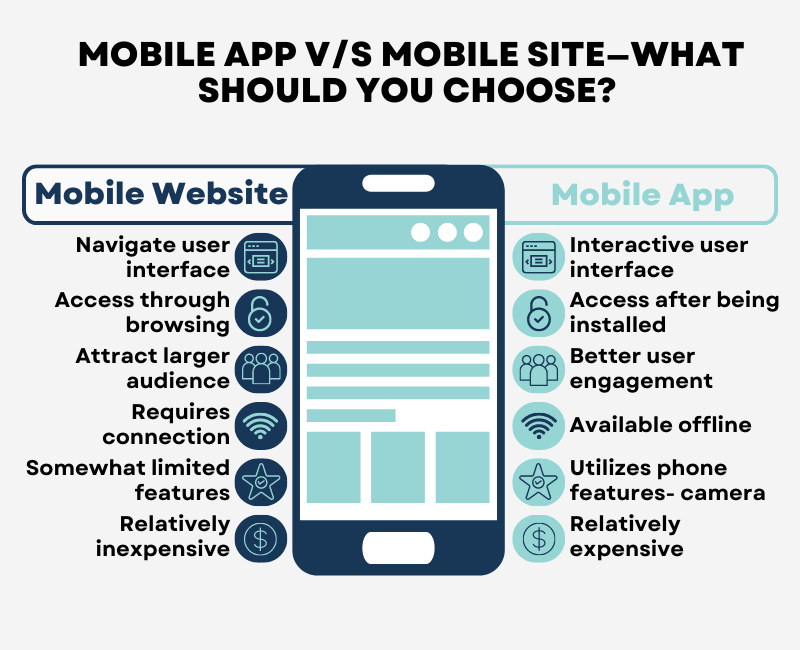
- Enhanced User Experience: Apps offer streamlined functionality, personalized content, and offline access, leading to higher engagement rates. A well-designed app can significantly improve customer satisfaction and loyalty.
- Direct Communication: Push notifications provide a direct line of communication with users, allowing for targeted promotions, important updates, and personalized reminders. This kind of direct access is harder to achieve with websites.
- Data Collection & Personalization: Apps provide valuable data about user behavior and preferences, enabling businesses to tailor their offerings and create highly personalized experiences.
- Brand Loyalty: A successful app can become an integral part of a user’s daily routine, strengthening brand recognition and fostering a sense of community.
However, websites still hold significant advantages in the short term:
- Accessibility: Websites are universally accessible across all devices with an internet connection, without requiring users to download and install a separate application.
- Search Engine Optimization (SEO): Websites remain crucial for discoverability through search engines like Google. Strong SEO strategies can drive organic traffic to your website, reaching a wider audience.
- Lower Development Costs: In many cases, developing and maintaining a website is more cost-effective than building a dedicated mobile app for each platform (iOS and Android).
- Information Hub: Websites are ideal for conveying detailed information, showcasing a wide range of products or services, and providing comprehensive customer support.
The short-term impact, therefore, sees apps dominating specific tasks and enhancing user engagement in targeted areas, while websites continue to serve as foundational information hubs and crucial drivers of organic traffic.
The Long Game: A Shifting Landscape
Looking further into the future, the lines between websites and apps will likely continue to blur, but websites aren’t going anywhere. Instead, we’re seeing a convergence of technologies and a re-evaluation of how each platform serves its purpose.
- Progressive Web Apps (PWAs): PWAs are websites that behave like native apps. They offer features like offline access, push notifications, and fast loading times, bridging the gap between websites and apps. This is a critical development.
- The Rise of the “Super App”: Think WeChat in China. These all-encompassing apps offer a multitude of services, from messaging and social networking to payments and e-commerce, within a single platform. This model could reshape the app landscape and influence how users interact with digital services.
- The Evolution of Web Technology: Web technologies are constantly evolving, becoming more sophisticated and capable of delivering app-like experiences directly within the browser. This continuous improvement will ensure the longevity and relevance of websites.
- Focus on User Experience: Regardless of the platform, the key to long-term success lies in providing a seamless and intuitive user experience. Whether it’s a website, an app, or a PWA, prioritizing user needs will be paramount.
In the long term, websites will adapt and evolve, leveraging new technologies to deliver increasingly app-like experiences. PWAs will become more prevalent, blurring the lines between the two platforms. The future likely involves a strategic blend of both websites and apps, each serving specific purposes and contributing to a cohesive digital strategy.
Practical Solutions: Thriving in a Hybrid World
So, how can you ensure your online presence remains relevant and effective in this evolving landscape? Here are some practical solutions:
- Embrace Responsive Web Design: Ensure your website is fully responsive and adapts seamlessly to different screen sizes and devices. This is the bare minimum in today’s mobile-first world.
- Example: Look at the BBC website. It works perfectly on desktops, tablets, and smartphones, offering a consistent user experience regardless of the device.
- Consider a Progressive Web App (PWA): If your business relies heavily on user engagement and requires features like offline access and push notifications, a PWA might be the perfect solution.
- Example: Twitter’s PWA is a great example of a website that functions almost identically to a native app, offering a smooth and engaging user experience on mobile devices.
- Develop a Native App (Strategically): Don’t develop an app just for the sake of it. Assess your business needs and determine if a native app will genuinely enhance user experience and drive significant value. Focus on features that are difficult or impossible to replicate on a website.
- Example: A banking app that leverages biometric authentication and mobile payments provides a secure and convenient experience that is difficult to replicate on a website.
- Optimize for Mobile SEO: Focus on mobile SEO strategies to ensure your website ranks high in mobile search results. This includes optimizing page speed, using mobile-friendly keywords, and ensuring your website is easily crawlable by search engines.
- Tip: Use Google’s Mobile-Friendly Test to check your website’s mobile-friendliness and identify areas for improvement.
- Integrate Website and App Experiences: Create a seamless user experience between your website and app. Use deep linking to direct users from your website to specific sections within your app.
- Example: An e-commerce website could include a “Download our App” button that takes users directly to the app store or uses deep linking to open the app and navigate to the same product page.
- Analyze Your Data: Track your website and app usage data to understand how users are interacting with your online presence. This data can inform your strategy and help you optimize your website and app for maximum impact.
- Tools: Use Google Analytics to track website traffic and user behavior. Utilize app analytics platforms to monitor app usage and engagement.
- Prioritize User Experience Above All Else: Whether you’re building a website, an app, or a PWA, prioritize user experience. Ensure your platform is easy to navigate, visually appealing, and provides a seamless and enjoyable experience for your users.
The Future is Hybrid: Embrace the Opportunity
The idea that mobile apps will completely replace websites is an oversimplification. Instead, we’re entering an era of digital convergence, where websites and apps coexist and complement each other. The key to success lies in understanding the strengths of each platform and strategically leveraging them to create a cohesive and effective online presence.
Don’t see this as a threat, but as an opportunity. By embracing new technologies, prioritizing user experience, and strategically integrating your website and app experiences, you can not only survive but thrive in this evolving digital landscape. So, take a deep breath, analyze your business needs, and start building your hybrid future today. The possibilities are endless!
